- Electronic Bills of Lading (eBLs): A digital version of the traditional bill of lading, which allows for faster and more secure transmission of shipment details.
- Digital Letters of Credit (LCs): Digital versions of letters of credit, enabling banks to authenticate, issue, and transfer credits electronically, simplifying and accelerating the process.
- Smart Contracts: These are agreements written in code that automatically execute terms once predefined conditions are met, facilitating automation of certain processes in trade finance.
- Digital Signatures and Cloud-Based Platforms: These technologies ensure that documents are securely signed, transmitted, and stored, preventing tampering and enhancing security.
Global trade finance has long been a critical part of international commerce. However, the traditional methods for handling trade documentation—such as paper-based bills of lading (BLs), letters of credit (LCs), and trade contracts—have often been slow, errorprone, and inefficient. As global trade has become faster and more interconnected, the need for modernization in trade finance has become increasingly urgent. The shift to digital trade documentation is more than just a technological upgrade—it’s a necessary change that enhances efficiency, reduces the risk of fraud, and provides better visibility into trade finance operations. This blog explores how digital documentation is reshaping the trade finance landscape and why companies should make the move towards digitization.
What is Digital Trade Documentation?
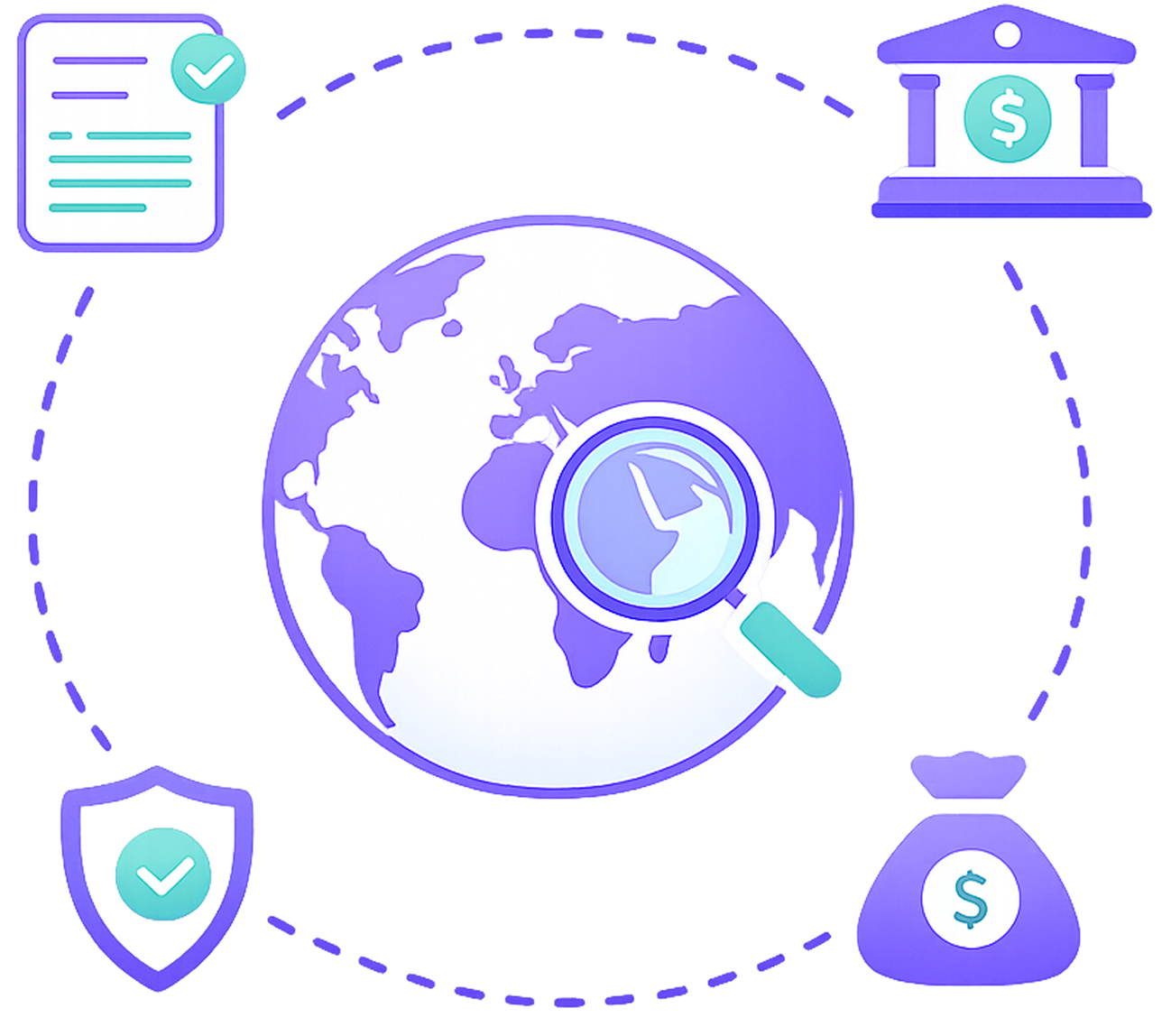
Digital trade documentation refers to replacing traditional paper documents with electronic versions that can be securely created, signed, shared, and stored. The key digital documents used in this transformation include: